
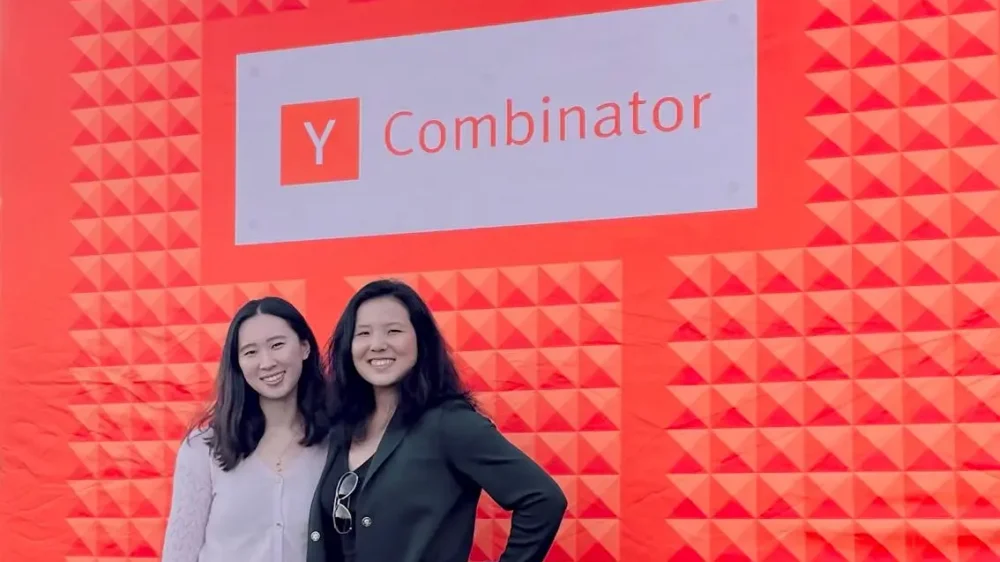
The Y Combinator interview is a unique moment in a startup’s life. It’s just ten minutes. Ten minutes to translate months or years of sweat, insight, and belief into a compelling narrative that resonates with some of the world’s most experienced investors.
The stakes feel astronomical, and the pressure is real. But behind that infamous door, the partners aren’t looking for perfection. They’re looking for potential, clarity, and founders who truly understand their craft.
As someone who has navigated the complex journey of building a bridge between tech talent and business needs at Charisol, I understand the pressure of presenting a vision under scrutiny.
This isn’t about gimmicks or rehearsed buzzwords. It’s about demonstrating, with unwavering clarity, that you are the right person to solve this specific problem.
Let’s break down how you can walk into that room not just ready to answer questions, but ready to have a memorable conversation that sets you apart.
1. Master the Fundamentals: The “Must-Know” Core
YC partners have a pattern for their questions because they work. Your first job is to have crystal-clear, concise answers to these fundamentals. Think of this as your product’s basic functionality—it needs to work flawlessly.
- What do you do? Explain your company in one simple sentence. Avoid jargon. If your grandmother wouldn’t get it, simplify further. “We connect small businesses with vetted, skilled tech talent to build their digital products” is clearer than “We’re a platform for agile digital transformation solutions.”
- Who are your users, and how do you know they need this? Be specific. “Small business owners in the US and UK with 5-20 employees who large agencies have quoted $50k+” is a good answer. The proof comes from talking to them. Have numbers: “We’ve interviewed 50 of them, and 45 said this was their biggest pain point.”
- How do you make money? State your pricing model clearly. Is it a subscription, a project fee, a commission? Know your numbers.
- How do you get users (acquisition)? Be realistic. “Cold outreach and LinkedIn content” is a start, but “We have a cost-per-acquisition of $100 through targeted LinkedIn ads, which is sustainable because our customer lifetime value is $2000” is far stronger.
- What is your growth like? Use clear, recent metrics. Weekly growth rate, number of active users, revenue. Absolute honesty is critical here. They can smell exaggeration.
2. Tell a Story, Don’t Recite a Pitch
Anyone can memorize answers. What makes you stand out is the authentic story behind them. This is where your “why” becomes your superpower.
- Lead with the problem, not the solution. Start with the genuine, painful problem you discovered. At Charisol, our story began with seeing two clear problems: skilled tech talent in Africa seeking global opportunities, and small businesses in the diaspora struggling with the cost and complexity of digital development. That personal insight—that bridge needed to be built—is more compelling than just “we’re a dev agency.”
- Show your unique insight. What do you know about this problem or market that others have missed? Perhaps it’s a specific technical approach, a new way to segment customers, or a unique cost structure you can leverage. Your insight is your secret sauce.
- Demonstrate that you and your team are “unfairly” equipped to solve this. Why you? Tie your background, passion, and skills directly to the problem. My own path—from mechanical engineering to DevOps and UX design—wasn’t a detour; it was the exact training needed to understand system design, user-centricity, and technical execution for our clients.
3. Demonstrate Traction and Speed
For YC, evidence is everything. Traction is the best indicator of a working product and a real market.
- Focus on the core metric. What single number best shows you’re on to something? Is it weekly active users, revenue growth, customer retention, or product engagement? Have it at your fingertips.
- Show that you can learn and adapt quickly. Talk about a key pivot or a major lesson learned from users. It shows intellectual honesty and agility. Saying “We launched feature X, but usage was low. We spoke to 10 users, realized we misunderstood the workflow, and built Y instead, which saw adoption double” is a golden answer.
- Be prepared to talk about the future with specificity. What will you do with the YC investment? “Hire two engineers and spend three months on improving onboarding to reduce churn” is better than “scale the team and grow the user base.”
4. Navigate the Curveballs with Grace
The partners will test your thinking. They might challenge your assumptions, propose a competitor, or ask “what if” scenarios.
- Don’t get defensive. This is a stress test of your reasoning, not a personal attack. A good response starts with, “That’s a good point…” or “We’ve thought about that…”
- Think aloud. If you’re faced with a tough hypothetical, talk through your logic. They want to see how you think, not just what you know.
- Know your competitors, but define your differentiator. Saying “we have no competitors” is a red flag. Instead, say “Company X focuses on large enterprises with a complex suite, while we are hyper-focused on simplicity and affordability for small businesses, which is a segment they ignore.” This aligns with our core value at Charisol: Don’t reinvent the wheel, innovate.
5. The Intangibles: How You Show Up
The content is king, but delivery is its queen.
- Extreme Clarity Over Completeness. It’s better to explain three things perfectly in ten minutes than to vaguely mention ten things. Speak slowly and clearly.
- Energy and Belief. You should be the most excited person in the room about your project. This energy is contagious and demonstrates commitment.
- Team Dynamics. If co-founders are present, show respect and synergy. Let the best person answer a question. Your ability to collaborate, a core value we hold dear at Charisol, is being judged.
- Ask a Good Question. You’ll often get time for one or two questions. Don’t waste it. Ask something specific that shows deep thought about your business and YC’s role. For example, “Based on what you’ve seen in marketplaces, what’s the one metric you’d advise us to watch most closely in the next six months?”
Frequently Asked Questions
How much should we practice?
Exhaustively, but not to the point of sounding robotic. Practice with people who will grill you harshly—other founders, mentors.
Record yourselves. The goal is to be so familiar with your material that you can have a natural, confident conversation, not a recital.
What if we don’t know the answer?
It’s okay to say, “We don’t know yet, but here’s how we would figure it out.” Honesty builds trust, and showing your methodology for finding answers is valuable.
Should we focus on the idea or the team?
It’s always both. YC famously bets on founders. Your idea demonstrates your insight and ambition, but your team’s execution, cohesion, and determination are what they believe will carry you through the inevitable pivots and challenges.
What’s the biggest mistake you see?
Lack of clarity. Founders are trying to cover too much, using vague language, or not being able to explain their own business simply. Your first answer to “What do you do?” should be unmistakably clear.
How important is the demo?
If you have a live product, a demo is powerful. But it must be lightning-fast (<2 mins) and demonstrate the core magic. If you spend your whole time logging in and navigating menus, you’ve lost.
Conclusion
The Y Combinator interview isn’t a search for the flashiest idea. It’s a search for exceptional founders. Founders who see a problem clearly, are obsessed with their users, move with speed, and possess the raw determination to build something people want.
At Charisol, our entire mission is built on partnering with founders and small businesses during their most critical growth phases.
We’ve seen firsthand what it takes to translate vision into a working digital product that scales. The discipline, user-centricity, and relentless execution required are the same muscles you flex in a YC interview.
Your ten minutes is simply the concentrated expression of the founder you already are. Prepare deeply, speak clearly, and believe in the problem you’re solving.
The goal isn’t just to get funded; it’s to start a partnership with people who can help you change the world, one digital product at a time.
If you’re in the trenches of building your product and need a partner who understands the blend of technical execution and user-centric design that investors look for, explore how we work at Charisol.
Our process is built to bring clarity and craftsmanship to your vision.
Learn more about our approach and see how we can help you build not just for the interview, but for the market.
What is the one aspect of your startup that, if understood perfectly by the YC partners, would make them most likely to say yes?