


Africa is often called the “final frontier” of the global tech ecosystem, and for good reason. The challenges are unique, but so are the solutions.
The most successful founders here have learned a powerful lesson: you don’t need a perfect product to start. You just need a working one that solves a real problem. That’s the magic of the Minimum Viable Product (MVP).
An MVP is the simplest version of your product that can still deliver value to users. It is not about being unfinished or sloppy—it is a strategic move to test your idea with real people as quickly and cheaply as possible.
Instead of spending two years building a complex app no one wants, you spend a few weeks shipping a core feature, then you listen, learn, and improve.
In my years building digital products at Charisol, I have seen how this method changes the game. It removes fear, saves money, and gets you honest market feedback immediately.
To show you exactly what this looks like, I have analyzed 10 African startups that exploded in value because they mastered the MVP.
From billion-dollar fintech unicorns to life-saving health tech platforms, these are the blueprints you need to see.
10 Real-World MVP Success Stories from African Startups
1. Paystack: The Simple Link That Became a $200M Exit
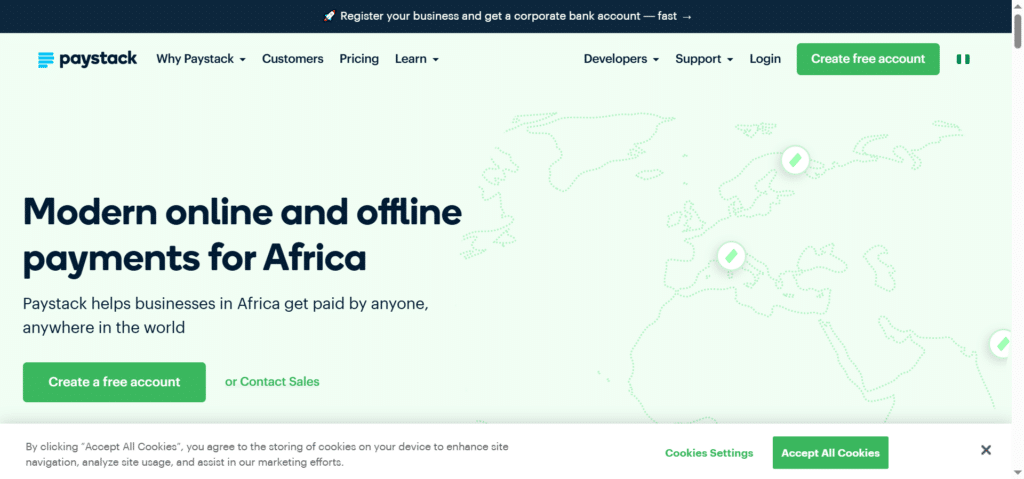
The MVP: A simple payment link. In 2016, Shola Akinlade noticed that it took over three weeks for Nigerian businesses to start accepting online payments.
The process was a mess of paperwork. So, he launched Paystack with a single feature: a button or link that any business could copy and paste onto their website to accept cards instantly.
Why it worked: It solved the core pain—speed. By stripping away everything except the ability to collect money in 30 minutes, Paystack validated huge demand.
They proved the need before building advanced features like recurring billing. The result? Stripe acquired them for over $200 million.
2. Flutterwave
The MVP: A payments API built for Uber. When Flutterwave launched, they didn’t try to serve the entire continent at once. They built specifically to solve Uber’s payment reconciliation issues in Nigeria.
Why it worked: They validated their core technology by serving one huge, demanding customer. That gave them the credibility and cash flow to expand to other giants like Facebook, leading to a $1 billion valuation.
3. Piggyvest
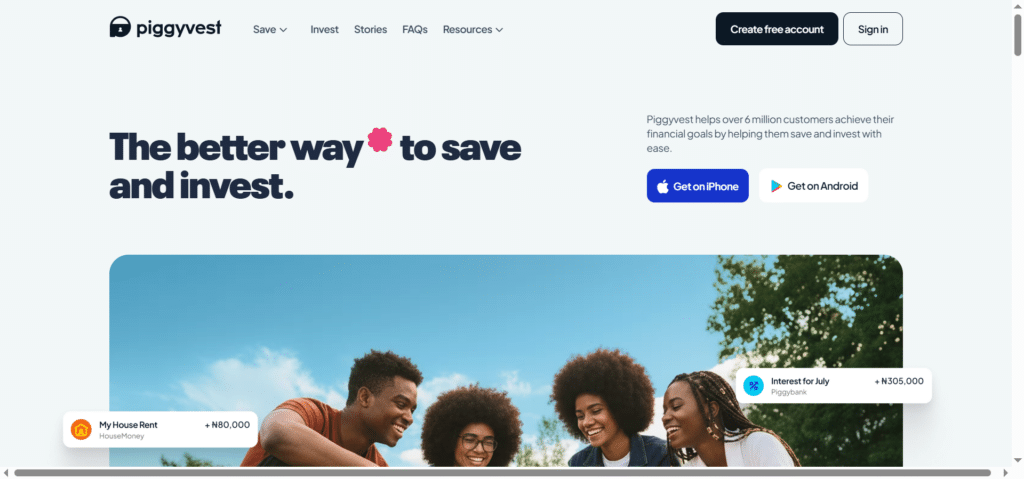
The MVP: A bare-bones savings app that locked money away until a specific date. Co-founder Odunayo Eweniyi admits the early days were rough—it had bugs and customer complaints—but it did the one thing it promised.
Why it worked: Nigerians needed a way to save without the temptation to spend. Piggyvest focused on that emotional win. They built trust by starting small, listening to users, and then adding the “bells and whistles.” Today, over 4 million users have saved billions. That is the power of starting “messy.”
4. Yoco
The MVP: A small, Bluetooth card reader for South African SMEs. Yoco is a fascinating example because they took the slow route. They beta-tested their first hardware for a full year with just 500 merchants before launching to the public.
Why it worked: In the payments space, reliability is everything. Yoco focused on the “Minimum Desirable Product.” They spoke to every single early user to craft something robust. This slow, careful MVP built a reputation for quality, and they now serve over 80,000 businesses.
5. Kuda Bank

The MVP: A digital-only bank account with “No Fees.” Originally called Kudimoney, Kuda launched a beta version of an app that let users open an account on their phone without the high charges of traditional Nigerian banks.
Why it worked: They zeroed in on a universal frustration: hidden bank charges. By proving users wanted a free, mobile-first alternative, Kuda secured massive funding and has since processed billions in transactions.
6. Chipper Cash

The MVP: A peer-to-peer mobile app allowing Ugandans and Ghanaians to send money across borders instantly for free. Founded in 2018, they went live without all the bells and whistles of a traditional bank.
Why it worked: They removed the biggest friction—cost. By offering a free MVP, they rapidly acquired millions of users. Later, they added merchant payments (Chipper Checkout) to monetize that user base.
7. Paga
The MVP: Simple money transfers and airtime purchases via mobile. Launched publicly in 2011, Paga didn’t overcomplicate it. They just created a digital wallet for the unbanked.
Why it worked: They paired the app with a massive offline agent network. The MVP focused on getting the transaction loop right—send money, buy airtime, pay bills. This validated that Nigerians were ready to trust digital cash long before the recent fintech boom.
8. mPharma: A Pivot is Part of the Process

The MVP: An electronic prescription system linking patients to pharmacies. Founder Gregory Rockson built this first, but he quickly realized the real problem wasn’t finding a pharmacy—it was that pharmacies had no stock.
Why it worked: Gregory listened to the data and pivoted. He changed mPharma into a supply chain manager that buys drugs for hospitals. By being flexible with his MVP, he built a profitable health-tech giant that now negotiates lower prices across Africa.
9. Twiga Foods: Five Tuk-Tuks and a Bet on Bananas

The MVP: A mobile marketplace to connect farmers with “mama mbogas” (local vendors). The founders pooled their cash to buy just five tuk-tuks and started delivering bananas.
Why it worked: They used a single produce type (bananas) to test the logistics loop. By proving they could source and deliver faster and cheaper than traditional brokers, they built a blueprint they now use for 17 different products, serving thousands of orders a week.
10. LifeBank: Using Excel to Save Lives

The MVP: A digital directory of blood banks shared via a simple spreadsheet or app. Temie Giwa-Tubosun started LifeBank after realizing that blood shortages were often not about lack of donors, but about logistics.
Why it worked: Her first version didn’t need a fancy algorithm. It just mapped where the blood was and sent a bike to get it. By proving the delivery system worked (saving 40,000+ lives), she validated the entire business model and later added AI and advanced tech.
The Lesson: Don’t Build a Castle, Build a Bridge
Looking at these stories, the pattern is clear. The winners were not the ones with the flashiest feature list. They were the ones who identified the smallest, most critical human need—getting paid, accessing blood, saving money—and solved it immediately.
At Charisol, we live by this philosophy. Our mission is to help you build that bridge. We help founders move from “I have an idea” to “I have a user.”
Our Design-Build-Sprint process (you can see how we work here) is specifically built to strip away the noise. We help you identify the one feature that matters, build it quickly, and get it into the hands of real users. You don’t need to outspend the competition. You need to outlearn them.
Frequently Asked Questions (FAQ)
What exactly is an MVP?
It stands for Minimum Viable Product. It is the simplest version of your product that allows you to test if your idea actually works.
As Eric Ries, the pioneer of the Lean Startup methodology, defines it, it’s that version of a new product which allows a team to collect the maximum amount of validated learning about customers with the least amount of effort.
How is an MVP different from a prototype?
A prototype is usually a mock-up or wireframe used to test design, whereas an MVP is a functioning product that real users can interact with in a live environment.
What if my MVP fails?
That is actually the goal! An MVP is an experiment. If it fails, it means you saved millions of Naira, Rands, or Cedis by not building the full version. You simply pivot (change direction) based on what you learned. As we say at Charisol, failure in testing is success in learning.
I don’t have a technical co-founder. How do I build an MVP?
You don’t have to go it alone. You can partner with an experienced agency like Charisol. We bridge the gap between your vision and the technical execution, helping you avoid costly mistakes and launch faster.
How long does it take to build an MVP?
Depending on the complexity, it can take anywhere from a few weeks to three months. The key is to set a tight deadline to force the team to focus only on the core “must-haves.”
Conclusion.
Building a startup is terrifying. There is a lot of uncertainty, and the fear of failure can be paralyzing. But it doesn’t have to be.
You have just seen ten examples of founders who started small, stayed focused, and changed the continent. You can start your journey today.
Here is a reflection question for you: If you had to strip your business idea down to the single most important action a user takes, what would that feature be?
Once you have that answer, you are ready to build.
We would love to help you take that leap. If you are ready to stop dreaming and start building, click here to get started or check out more insights on the Charisol blog for more expert advice. Let’s turn your idea into impact.