

Building a new product from scratch is hard. You have a great idea, but turning it into something real that people can use feels like climbing a mountain.
For African founders, the climb can be even steeper. You might deal with slow internet, limited funding, or trouble finding the right tech people.
But here is the good news. You do not need a big budget or a huge team to build your first product. You just need the right tools.
An MVP, or Minimum Viable Product, is the simplest version of your idea that still solves a real problem for your customers.
It is not about being perfect. It is about learning fast, saving money, and testing if people actually want what you are building.
At Charisol, we have helped many small businesses and startups in Nigeria, the UK, the US, and Canada bring their digital products to life.
Our founder, Dolapo Olisa, is a Mechanical Engineer, DevOps Engineer, and UX Designer. He saw how digital transformation can solve real business problems.
That is why we built Charisol – to connect skilled tech talent with founders like you. Our mission is to build custom digital products that help you grow and scale.
But before you need a custom solution, you need to get your first version out the door. Below are 12 tools that every African founder should know. They are affordable, easy to learn, and work well even with the challenges we face on the continent.
1. Figma.
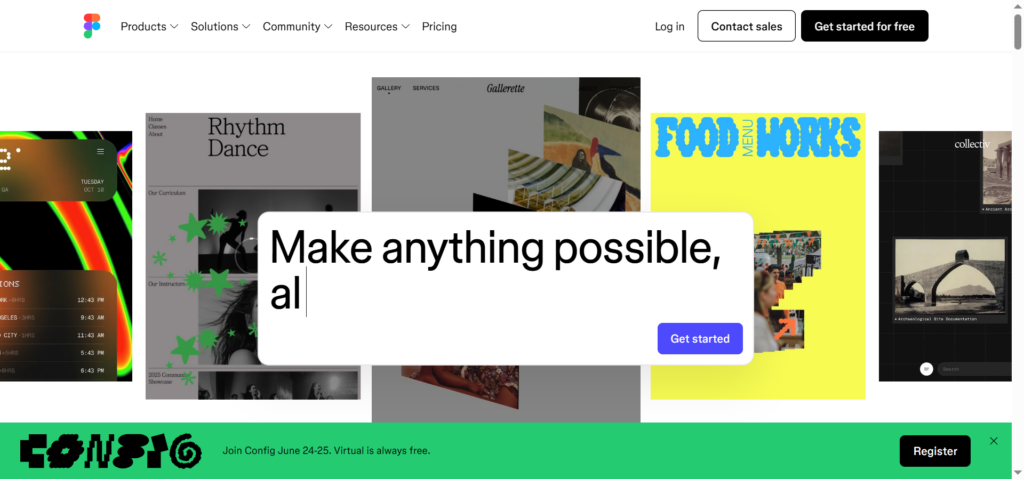
Do not start coding right away. First, draw what your product will look like. Figma is a free design tool that lets you create simple mockups of your app or website.
You can click through the screens like a real product. This helps you see problems early before wasting time and money on development.
Many African founders skip this step and regret it later. Figma is easy to learn, and you can share your designs with potential customers to get feedback. At Charisol, we always put users first, and Figma helps us do exactly that.
2. Bubble – Build web apps without code
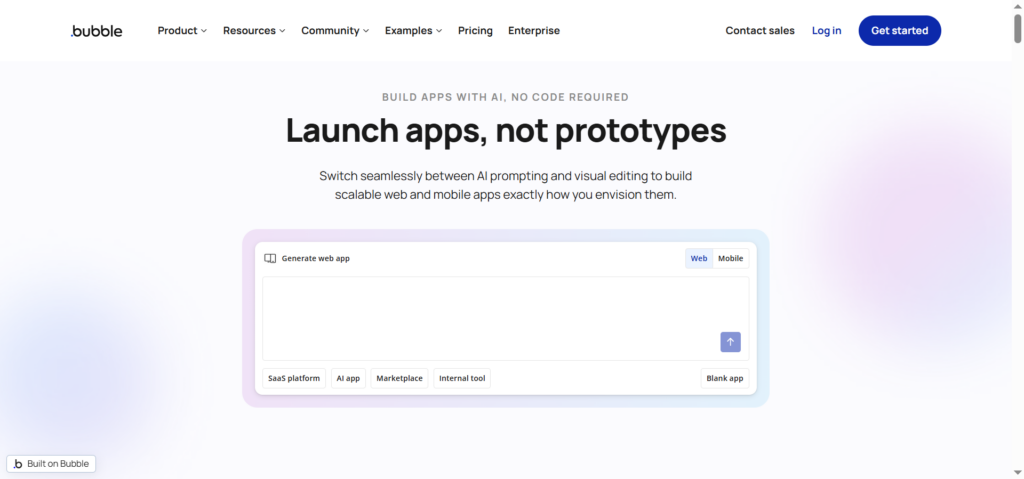
Bubble is a powerful tool that lets you build full web applications without writing a single line of code. You can create login systems, databases, and payment pages.
Many successful startups started with Bubble. For African founders with limited access to developers, Bubble is a game-changer. It costs around 25to30 per month, which is much cheaper than hiring a developer for months.
3. Glide.
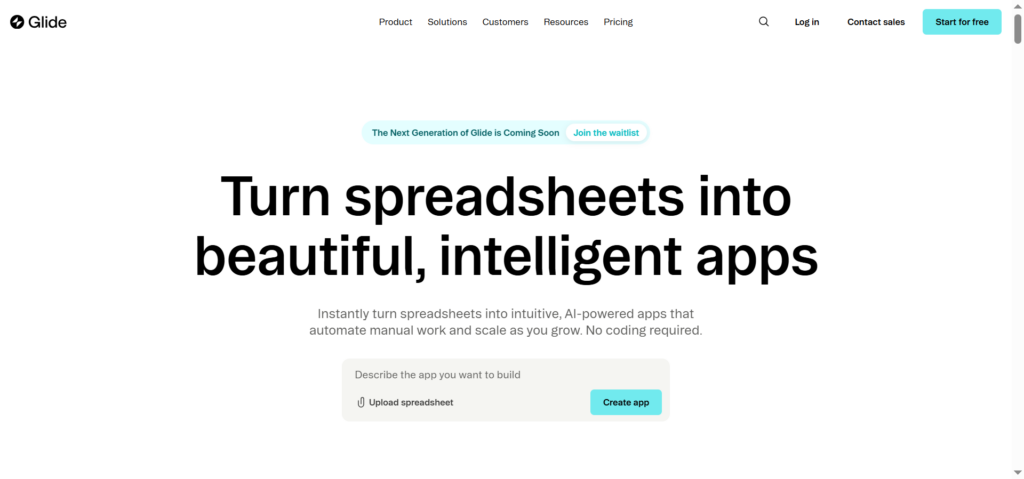
If your idea works like a simple list or form, Glide is perfect. You put your data in Google Sheets, connect it to Glide, and in minutes you have a mobile-friendly app.
It is great for marketplaces, directories, or tools that show information. Glide has a free plan, so you can test your idea at zero cost.
4. Paystack or Flutterwave – Collect payments easily
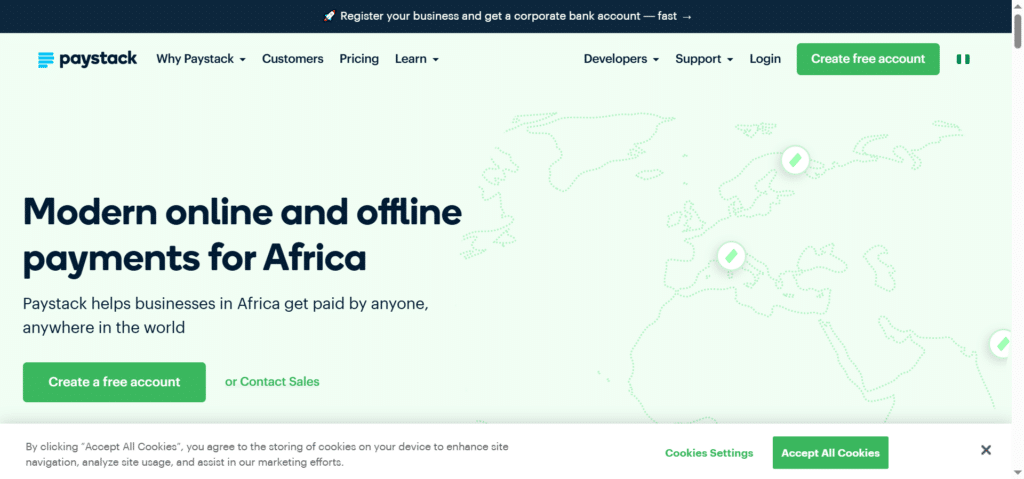
You cannot run a business without taking payments. Paystack and Flutterwave are the two leading payment gateways in Africa.
They work in Nigeria, Ghana, Kenya, South Africa, and other countries. You can add their buttons or forms to your website or app in a few hours. Customers can pay with cards, bank transfers, or USSD. Both tools have simple documentation and free setup. You only pay a small fee per transaction.
5. Airtable – Manage your data like a pro
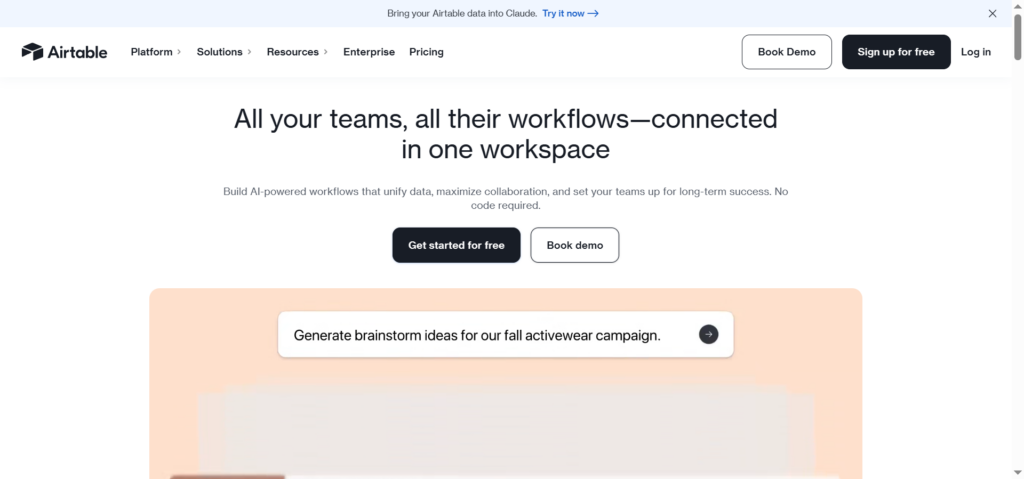
Airtable looks like a spreadsheet but acts like a database. You can store customer information, track orders, manage inventory, or plan your content.
It is very visual and easy to use. Many founders use Airtable as the brain of their MVP before they build a custom backend. The free plan gives you plenty of space to start.
6. GitHub – Store and track your code
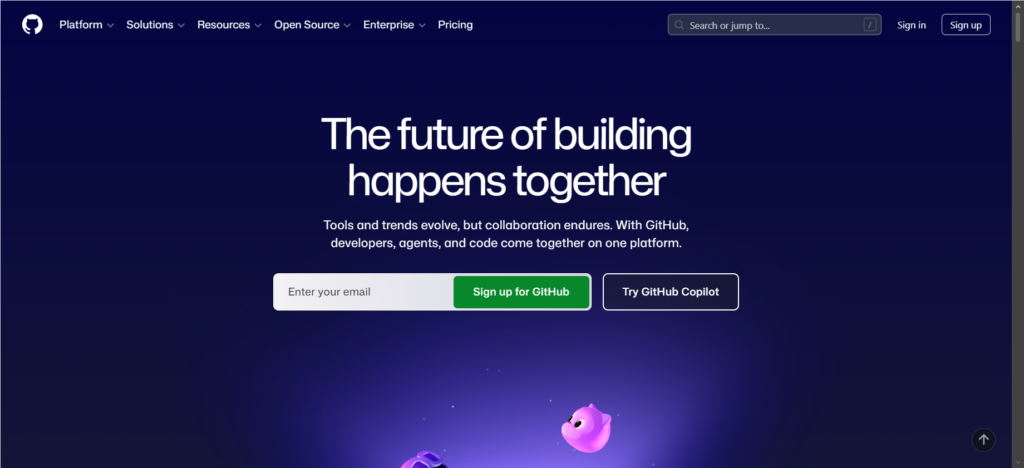
If you are working with a developer or learning to code yourself, you need GitHub. It is like Google Drive for code. It saves every change you make, so you never lose work. It also helps teams work together without breaking things.
GitHub is free for small projects. Even if you are using no-code tools, learning GitHub basics will help you when you eventually need custom development.
7. Firebase – Add login, database, and more
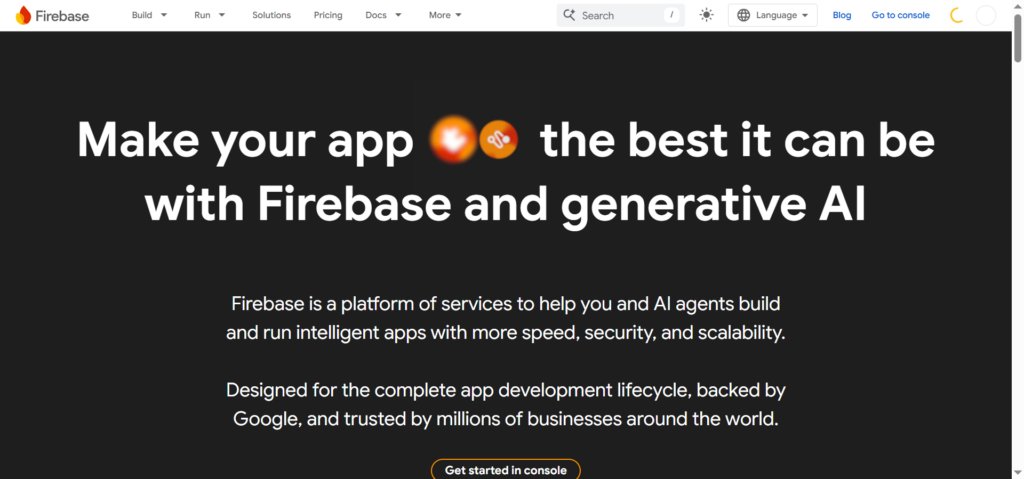
Firebase is a tool from Google that gives you a ready-made backend for your app. It handles user login, stores data, sends notifications, and tracks crashes.
Many African founders use Firebase because it has a very generous free plan. It works well with both no-code and custom-built apps. You can start for free and only pay when your users grow beyond thousands.
8. Hotjar – See how people use your product
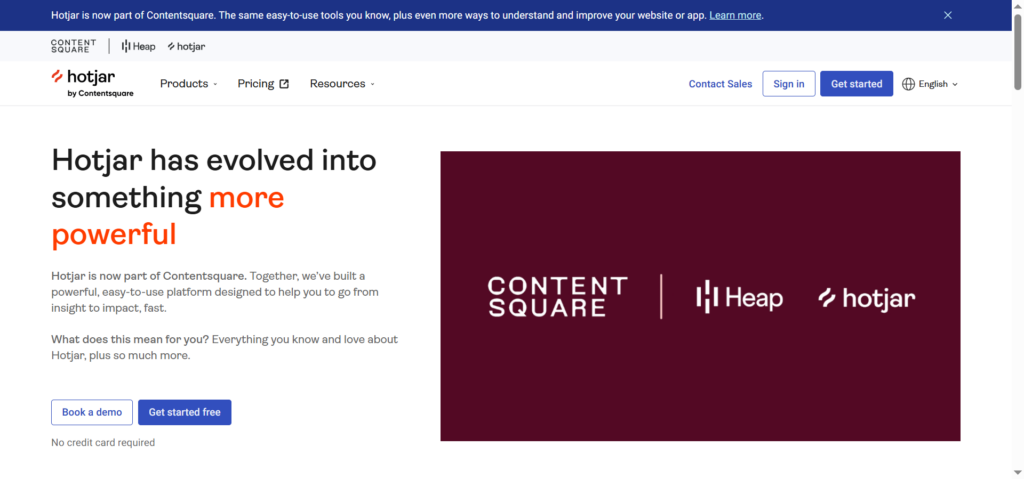
You build an MVP to learn from real users. Hotjar shows you exactly what people do on your site. It records their mouse movements, shows you where they click, and lets you ask them questions.
This is gold for a founder. Instead of guessing what users want, you see the truth. Hotjar has a free plan that is enough for most MVPs.
9. Canva
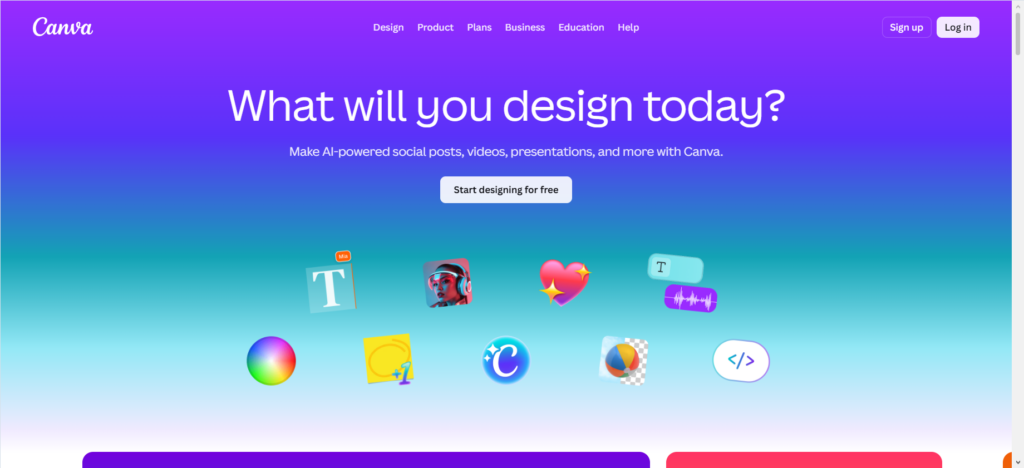
You need basic graphics for your MVP – a logo, social media posts, or simple illustrations. Canva is free and very easy to use.
You do not need to be a designer. Just pick a template and change the text and colours. Canva also works well on mobile, which is great for founders who are always on the move.
10. Slack or WhatsApp Groups – Talk to your users
Communication is everything. Set up a simple Slack channel or WhatsApp group where your early users can talk to you directly. Ask them what is working and what is broken.
The fastest way to improve your MVP is to listen. Lead with grace, as we say at Charisol. Be humble and thank people for their feedback. You will learn more from one honest conversation than from any dashboard.
11. Google Analytics – Track what matters
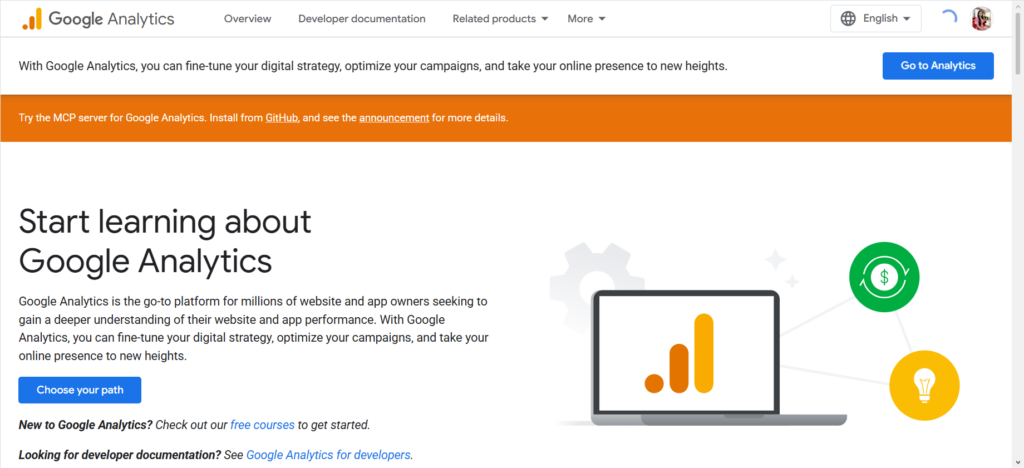
You need to know how many people visit your MVP, where they come from, and what they do. Google Analytics is free and gives you all that data.
It can feel a bit technical at first, but there are many simple YouTube tutorials. Just install the tracking code once, and you will have numbers to guide your decisions. Do not build in the dark.
12. WordPress
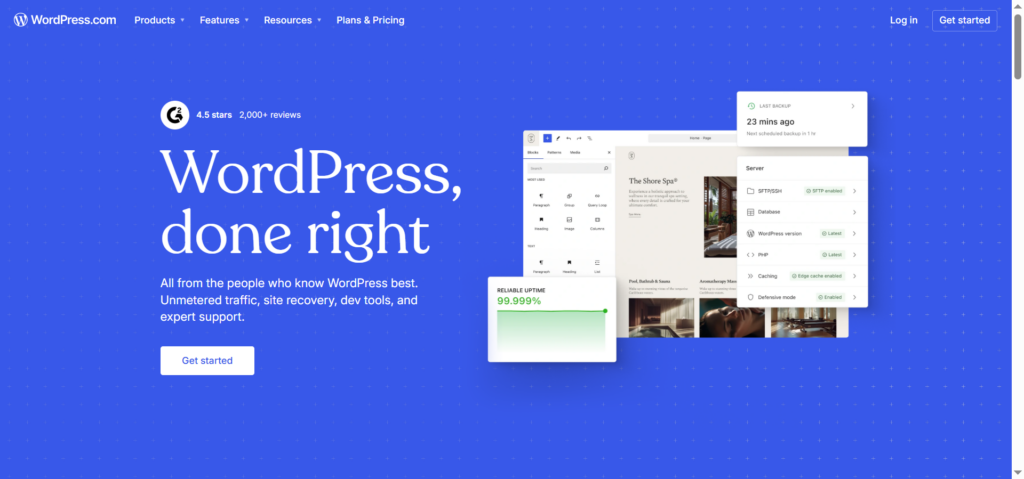
Sometimes your MVP does not need complex features. It just needs to explain your idea, collect email addresses, or sell a simple service.
WordPress is still the easiest way to build a professional website. Most hosting companies in Africa offer one-click WordPress installation.
You can add a payment plugin, a contact form, and start within a day. For founders who want to test demand before building anything fancy, WordPress is your friend.
Frequently Asked Questions
What is an MVP exactly?
An MVP is the smallest version of your product that still delivers value to a customer. It is not a finished product. It is a learning tool. You build just enough to test if people will pay or use your solution. Then you improve based on real feedback.
How much does it cost to build an MVP with these tools?
You can start for very little money. Many of these tools have free plans. If you combine free plans from Figma, Glide, Hotjar, Canva, and Google Analytics, your cost is zero.
If you add hosting or a paid tool like Bubble, you might spend 30to50 per month. That is much cheaper than hiring a developer for thousands of dollars.
Do I need to know how to code?
No. Most of the tools listed above work without coding. Figma, Glide, Airtable, Canva, WordPress, Paystack, and Hotjar require zero coding.
Bubble has a small learning curve but still no coding. Only GitHub and Firebase might need a developer if you go deep. So yes, you can build an MVP today without being a programmer.
How long does it take to build an MVP?
With no-code tools, you can have a working MVP in one to four weeks. The key is to keep it very simple. Focus on one problem and one type of user.
Do not add features because they look cool. Add only what you need to test your main idea. Remember our value at Charisol: do not reinvent the wheel, innovate. Use what already works.
What if my MVP fails?
That is actually great news. A failed MVP means you learned something important before spending too much money.
You can either change your idea or try a different market. Many successful founders failed several times before finding the right fit. Accept responsibility for your actions and inactions, as we believe at Charisol. Then pivot and try again.
How can Charisol help me build my MVP?
We are a digital design and development agency with a growing team of young tech-skilled individuals. We have worked with startups in the UK, the US, Canada, and Nigeria. If you want a custom MVP that is more advanced than what no-code tools can offer, we can build it for you.
We also offer design, development, and consulting to help you choose the right tools. Visit our get started page to tell us about your idea. Or read more about our process to see how we work with founders like you.
Conclusion
You now have 12 practical tools to build your MVP without breaking the bank. The only thing missing is you taking action.
It is easy to read lists and feel inspired. It is harder to open Figma, create an account on Bubble, or set up a Paystack button. But that is where real progress happens.
At Charisol, we have seen many African founders start with nothing but an idea and a laptop. Some of them now run successful businesses that employ others and solve real problems.
We built Charisol to support people like you because we believe in putting users first, building trust, and leading with grace.
So here is a question to carry with you today:
What is the one small step you will take in the next 48 hours to turn your idea into a real product?
It could be drawing your first screen on Figma. It could be joining a WhatsApp group to talk to potential users. It could be visiting the Charisol blog to learn more about building digital products.
Whatever it is, do not wait for perfect conditions. Start small. Learn fast. And when you need a partner who understands the African founder journey, we are here. Learn more about us and see how we can help you build something that lasts.