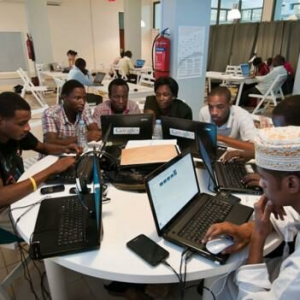


The way people handle money across Africa has changed more in the last five years than in the previous fifty. For a long time, millions of people ran small shops and supported their families using only cash. This made it hard to save, borrow, or grow a business. But something big is happening now.
Young builders across the continent have created new solutions to old problems. African fintech startups have built digital tools that help people send money, access loans, save safely, and manage finances with just a phone.
The numbers tell a clear story: in 2025, fintech attracted $1.37 billion in funding across Africa, making it the top sector and pulling in more money than the next two largest sectors combined—Energy and Water, and Logistics and Transport. That is serious attention from investors.
This shift matters because financial access changes everything. When a market seller gets a small loan with fair terms, she can buy more stock.
When a family saves money digitally, they can plan for the future. When a business sends money across borders without huge fees, trade grows. Fintech is unlocking these possibilities across the continent.
In this post, I want to introduce you to eight African startups leading this change. Some you may have heard of. Others are newer, but all of them are building real solutions for real people. Let’s get started.
1. Moniepoint
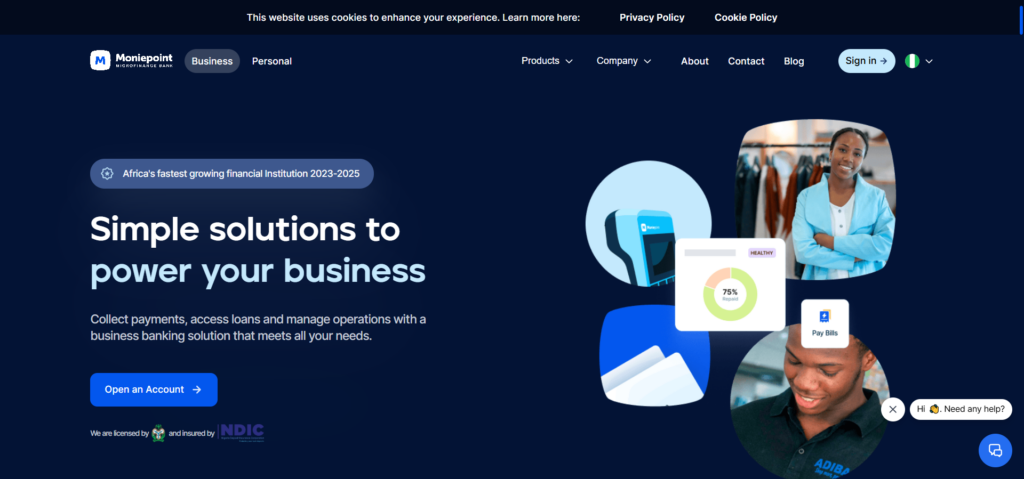
Moniepoint started in Nigeria with a simple idea: give small business owners the tools big companies use. They provide point-of-sale machines and banking services that help small shops accept digital payments and track their sales.
Today, Moniepoint processes over one billion transactions monthly, with total payment volume exceeding $22 billion. They serve more than ten million businesses and individuals in Nigeria.
In 2024, Moniepoint became a unicorn—a startup valued above one billion dollars. The Financial Times has named it one of Africa’s fastest-growing companies for three years in a row. What makes Moniepoint special is its focus on the people often ignored by traditional banks.
Their systems work even in areas with unreliable electricity or internet, meeting small business owners exactly where they are.
2. Flutterwave

Flutterwave builds the digital roads that money travels on. Their payment infrastructure helps businesses of all sizes send and receive money across Africa and beyond. Think of them as the engine that powers online payments for companies like Uber, Booking.com, and many African brands.
TIME magazine placed Flutterwave in its “Titans” category, alongside Meta and Amazon. Valued at $3 billion, Flutterwave now serves over 900,000 businesses and processes more than 250 million transactions every year.
They have also introduced stablecoin payments through a partnership with Polygon, allowing businesses to move money across borders in seconds instead of days. For any African business wanting to sell beyond its borders, Flutterwave makes that possible.
3. M-KOPA
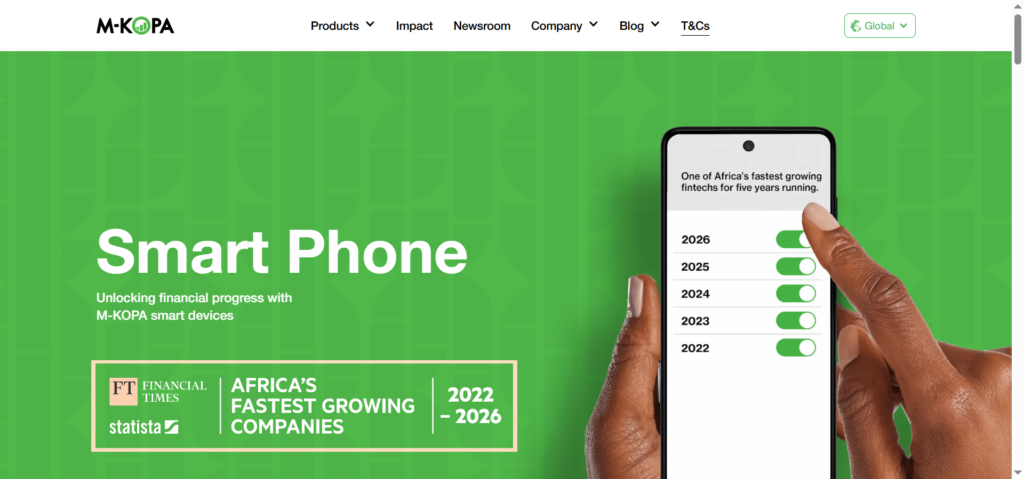
M-KOPA operates across Kenya, Nigeria, Ghana, and South Africa, offering something different: financing for everyday essentials. Their model lets customers buy items like smartphones or solar panels by paying in small daily installments.
A customer puts down a small deposit, then pays the rest in micro-payments through mobile money. This approach works because the payments match how many people earn and spend.
M-KOPA has disbursed over $2 billion in credit to more than seven million customers. For four consecutive years, the Financial Times has recognised it as one of Africa’s fastest-growing companies. M-KOPA demonstrates that access to credit, even in very small amounts, can dramatically improve lives.
4. PiggyVest

Saving money is difficult when banks charge high fees or require minimum balances many cannot meet. PiggyVest solves this problem differently. The platform makes saving simple, automatic, and even enjoyable. Users can lock away money for specific goals, invest in safe options, and track their progress.
In 2025, CNBC and Statista named PiggyVest the only African fintech in the global wealth technology category, recognising its impact alongside giants like PayPal.
For millions of young Africans, PiggyVest has been their first real introduction to saving and investing. The platform has proven that fintech can be about more than just moving money; it can help people build lasting financial health.
5. PalmPay
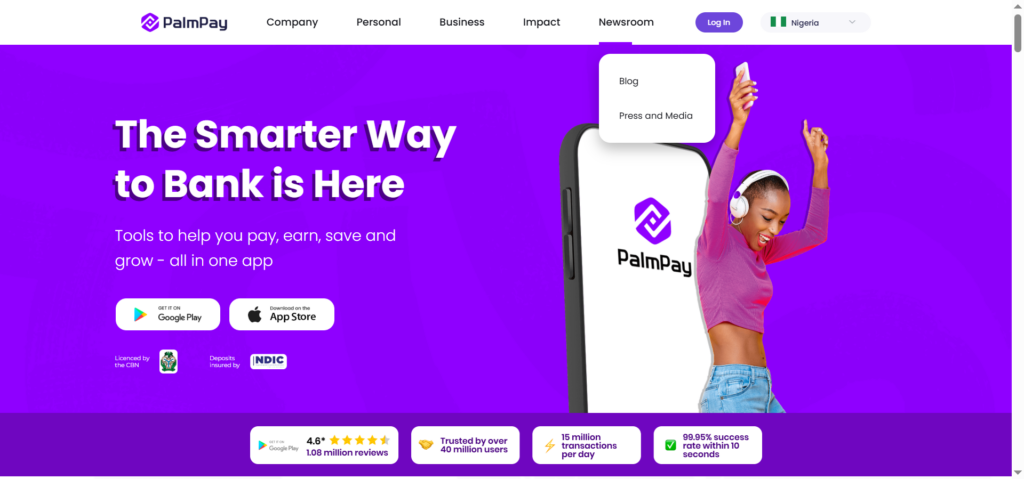
PalmPay has grown faster than almost any other fintech on the continent. The Financial Times ranked it the #2 fastest-growing company in Africa overall and the top fintech, with a compound annual growth rate of 583.6%. By 2025, PalmPay had surpassed 35 million registered users, processing up to 15 million transactions daily.
PalmPay combines a mobile app with an offline network of over one million merchants and agents, enabling seamless financial services even in underbanked communities.
A quarter of its users report that PalmPay was their first-ever financial account, showing its strength in bringing excluded populations into the formal economy.
6. Interswitch
Interswitch is one of the older companies on this list, founded in 2002. But age does not mean slow. Interswitch built the backbone for digital payments across Nigeria and has expanded across Africa. CNBC recently named it among the world’s top 300 fintech companies for 2025.
Interswitch processes billions of transactions annually, connecting banks, businesses, and customers into a single digital network. They have shown that lasting fintech success comes from building strong infrastructure that others can build on.
7. Tyme
Tyme operates as a digital bank with a clever twist. In South Africa, customers can walk into a grocery store like Pick n Pay or Boxer and open a fully functional bank account in less than three minutes. This hybrid approach combines the convenience of digital banking with the trust and accessibility of physical retail locations.
TIME magazine named Tyme one of the 100 Most Influential Companies of 2025, placing it in the “Pioneers” category with innovators like SpaceX.
Tyme now serves around 17.5 million retail customers across South Africa and the Philippines and became a unicorn in December 2024 after raising $250 million.
8. OPay.
OPay launched in 2018 and quickly became a household name for mobile payments in Nigeria. Their super-app handles payments, transfers, loans, and merchant services, all in one place. OPay now serves over 60 million users, including many in previously unbanked areas.
In 2024, OPay’s valuation rose by over 30%, bringing it closer to the $3 billion mark. Their growth shows that when you build a product that truly fits what people need, adoption happens fast. OPay has also expanded beyond Nigeria, building a pan-African presence.
What These Startups Tell Us
Across these eight companies, some common patterns emerge. First, solving real problems matters more than fancy technology.
These startups succeeded because they addressed pain points that traditional banks ignored: tiny loans, instant transfers, simple savings, and accessible payments.
Second, profitability and sustainability are now the focus. Investors and founders alike prioritise building businesses that last, not just grow fast.
Third, fintech in Africa has moved beyond basic payments into deeper services like lending, insurance, savings, and business tools. The industry is maturing.
Frequently Asked Questions
Are all these startups only in Nigeria?
No. While Nigeria has a strong fintech scene, these startups operate across the continent. M-KOPA is based in Kenya but works across several African countries.
Tyme serves South Africa and the Philippines. Interswitch has a pan-African presence. The fintech revolution is happening everywhere, from Zambia to Ghana to Senegal.
Can anyone use these services?
Mostly yes, though requirements vary by country and platform. Many of these startups focus on reaching unbanked and underbanked populations, so entry barriers are intentionally low.
Some services require a smartphone, but others work on basic phones. PalmPay, for example, combines digital tools with an offline agent network.
How do these startups make money if their fees are low?
Good question. Most earn through transaction fees, interest on loans, subscription fees for business tools, and data insights.
Some also earn through foreign exchange spreads on cross-border payments. The goal is to keep consumer costs low while generating revenue from higher-volume business services.
Is it safe to put money in these platforms?
Security varies by platform, but the companies mentioned here are licensed and regulated. Moniepoint works with Visa and Google.
eShandi is licensed by the Bank of Zambia. These are not fly-by-night operations. They follow financial regulations and prioritise user security.
What about smaller fintechs just starting out?
There are hundreds. The eight highlighted here are some of the most established, but many smaller startups are doing impressive work.
For instance, Anda in Angola is financing motorcycle taxi drivers. eShandi in Zambia uses AI to offer collateral-free loans. The ecosystem is rich and growing every year.
Building Your Own Digital Future
Reading about these startups, you might wonder: how did they build their products? Who helped them turn ideas into working platforms?
The truth is, behind every successful fintech is a team of skilled developers, designers, and engineers who understood the problem and built the solution.
That is exactly what Charisol does. Founded by Dolapo Olisa, a Mechanical Engineer turned DevOps Engineer and UX Designer, Charisol connects skilled tech talent to small businesses and startups.
Their mission is simple: to build custom digital products that help small businesses and startups accomplish growth objectives and scale their businesses successfully.
Charisol has evolved into a digital design and development agency with a growing team of young, tech-skilled individuals.
They have worked with numerous small businesses and startups in the UK, the US, Canada, and Nigeria, helping individuals launch their digital products and partnering with tech talents across the globe.
Their core values—showing empathy, putting users first, innovating without reinventing the wheel, leading with grace, taking responsibility, collaborating, and building trust with uncompromising honesty and integrity—guide everything they do.
If you have a fintech idea or any digital product you want to bring to life, Charisol can help. You can learn more about their approach on their Our Process page or explore their other posts on the Charisol Blog.
A Question to Leave You With
Africa’s fintech revolution is not some distant future. It is happening right now, built by people who refused to accept that financial tools should only work for the wealthy.
So here is my question for you: What problem in your community needs a digital solution, and what is stopping you from being the one to build it?
If you are ready to explore your own fintech idea or any digital product, Charisol is here to help you turn that vision into reality.
Visit charisol.io to learn more, or head straight to their get-started page to begin your journey. Your big idea might just be the next one we write about.